KOR Protocol Introduces VRSNS: Expanding AI-Powered Music Creation

How Does the KOR Protocol VRSNS Launch Connect AI With Music?
KOR Protocol has launched VRSNS, an AI video tool aimed at music artists. The project announced it on its official X account on November 16, 2026.
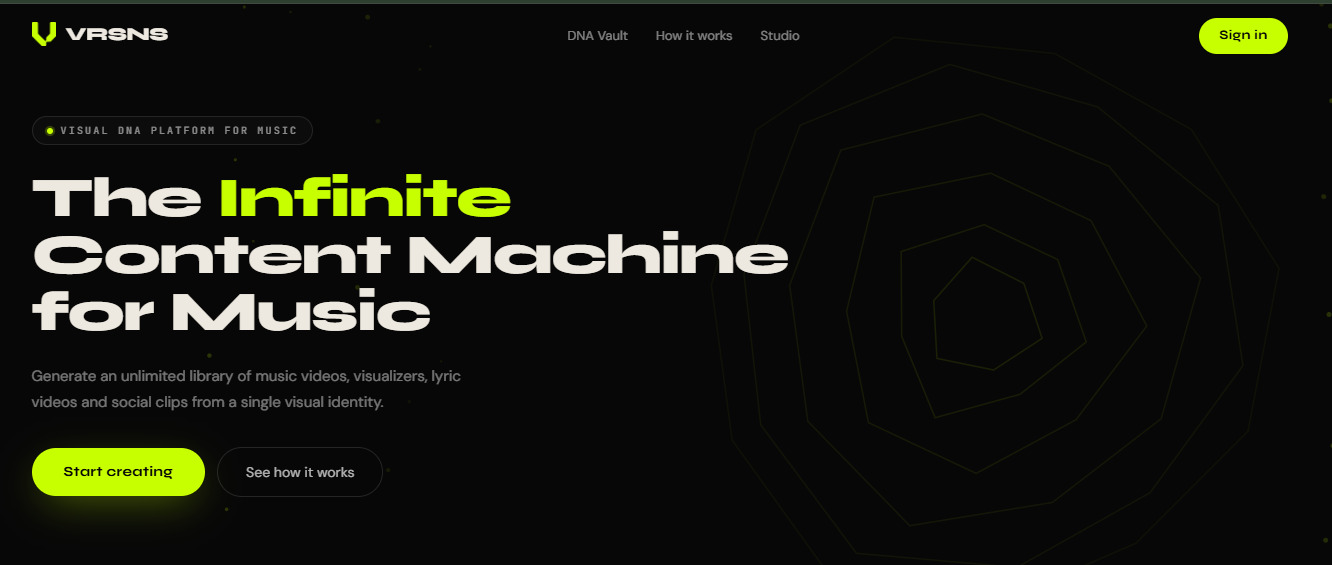
The pitch is simple. An artist picks a visual style, uploads a track, and VRSNS builds the video. The project calls it an infinite content machine for music.
The launch also follows the KOR token generation event of November 4, 2026, when the token began trading. Early price action has been rough.
What Is KOR Protocol: How Does Its Blockchain Ecosystem Work?
The Protocol is an onchain clearinghouse for creative assets, according to its technical documentation. It runs on Base, an Ethereum layer-2 network, and uses stablecoins for payments.
A clearinghouse checks a deal and settles the money afterward. Here, that idea is applied to music, video, images, and code.
The protocol runs three engines:
-
Verify records of who made a work and who owns it.
-
Route moves verified work toward buyers such as labels and brands.
-
Settle split payments between everyone involved.
The route is still in development. Verify and settle from the current release.
KOR Protocol is not a blockchain itself. It runs no validators or sequencer and builds on a network that already has users and tools.
Each registered work gets a token-bound account under the ERC-6551 standard. That is a wallet owned by an NFT instead of a person, so royalties can flow to the work itself. Agent identity (ERC-8004) and stablecoin payments over HTTP (x402) are listed as coming.
On the official website, the project reports more than one million lifetime sign-ups and over $2 million in gross revenue. It also cites 400,000 connected wallets and more than 1,000 IP partners.
What Is VRSNS? Exploring the AI Video Tool Launched by KOR Protocol
VRSNS is a video generation platform for creators and one of five apps in the KOR ecosystem. The RSNS website describes a visual DNA platform for music artists, built around their own look and sound.
The platform describes the flow in one line: pick an aesthetic built for the sound, drop in a track, and the video gets built. The goal is to cut the time between finishing a song and posting promo clips.
Core Features of VRSNS
-
Aesthetic selection: Artists choose a visual style built for the sound of their track.
-
Track-to-video generation: A song goes in, and the tool builds the video from it.
-
Visual identity upload: Artists add their own visual identity so the output matches their brand.
-
Audio-reactive output: The visuals respond to the beat and rhythm of the music.
-
Provenance and licensing: Documentation says assets register with provenance metadata, a record of where a work came from, and become licensable immediately.
VRSNS Launch: What Opportunities Does It Create for KOR Users?
-
Faster promo content: Artists can turn a finished track into a video without a production team.
-
Branded consistency: Uploaded visual identity is meant to carry across every clip.
-
Built-in licensing: Terms attach to the asset, and code enforces them.
-
Faster payouts: Royalty splits settle in stablecoin, replacing the 30- to 90-day invoice cycle the documentation criticizes.
The VRSNS rollout coverage gives a fuller picture of the rollout. One gap stands out, though. The numbers published so far describe the whole ecosystem, and none isolate the product.
Note: The benefits are the stated goals of KOR Protocol, not proven results.
KOR Protocol Ecosystem: How VRSNS Fits Into the Wider Creator Suite
VRSNS covers the video step. Other KOR Protocol apps handle the music and release steps.
| App | Role |
| KORUS | Music remixing and creation |
| VRSNS | Video generation for creators |
| Pacer | AI operating system for music releases |
| Streamline | AI operating system across video and visual art |
| KOR Hubs | Community engagement and monetization |
Together, the apps form a loop. A track gets made in KORUS, planned in Pacer, and turned into clips in the product. Each output can register in the same protocol.
That registry is the real hook. Registration metadata includes AI-provenance status, which flags whether AI helped make a work. As AI output grows, that record may matter more to labels and platforms.
This sets KOR Protocol apart from many AI crypto projects that focus on a single tool. It pairs creation apps with licensing and payment rails.
KOR Protocol TGE: How Does the VRSNS Launch Fit Into Its Ecosystem?
The KOR Protocol TGE took place on November 4, 2026. A TGE, or token generation event, is the moment a token first reaches the market. KOR debuted on KuCoin, where KOR/USDT spot trading opened at 14:00 UTC after a one-hour call auction. The token lives on Base.
Total supply is 10 billion KOR. About 2.28 billion, or 22.87%, was in circulation at launch, based on self-reported figures. No team or investor tokens unlocked at the TGE.
Vesting for those locked tokens starts with a 12-month cliff. Once that year passes, 10% is released. The rest then unlocks month by month, ending at month 36 for investors and month 48 for the team.
VRSNS came 12 days after the TGE. Whether it lifts demand for the token will depend on how many works get registered and settled on-chain.
KOR is the token that handles fees and access across the protocol. According to the project's token description, KOR crypto token utility falls into three areas: fees, access, and incentives.
Conclusion: What Does the VRSNS Launch Mean for KOR Protocol's Future?
KOR Protocol builds clearinghouse rails for creative work, and VRSNS adds a video tool on top. The standout feature is the pairing of creation apps with provenance records, licensing, and stablecoin payouts.
Several points remain uncertain for the KOR Protocol. The route is unfinished, VRSNS usage data is missing, and the path from app activity to token demand is indirect.
Disclaimer
This article is for information only and is not financial or investment advice. Crypto assets are volatile and carry a high risk of loss. Research the project independently before making any decision.