Pi Network Ecosystem Apps: Before You Pay, Check This

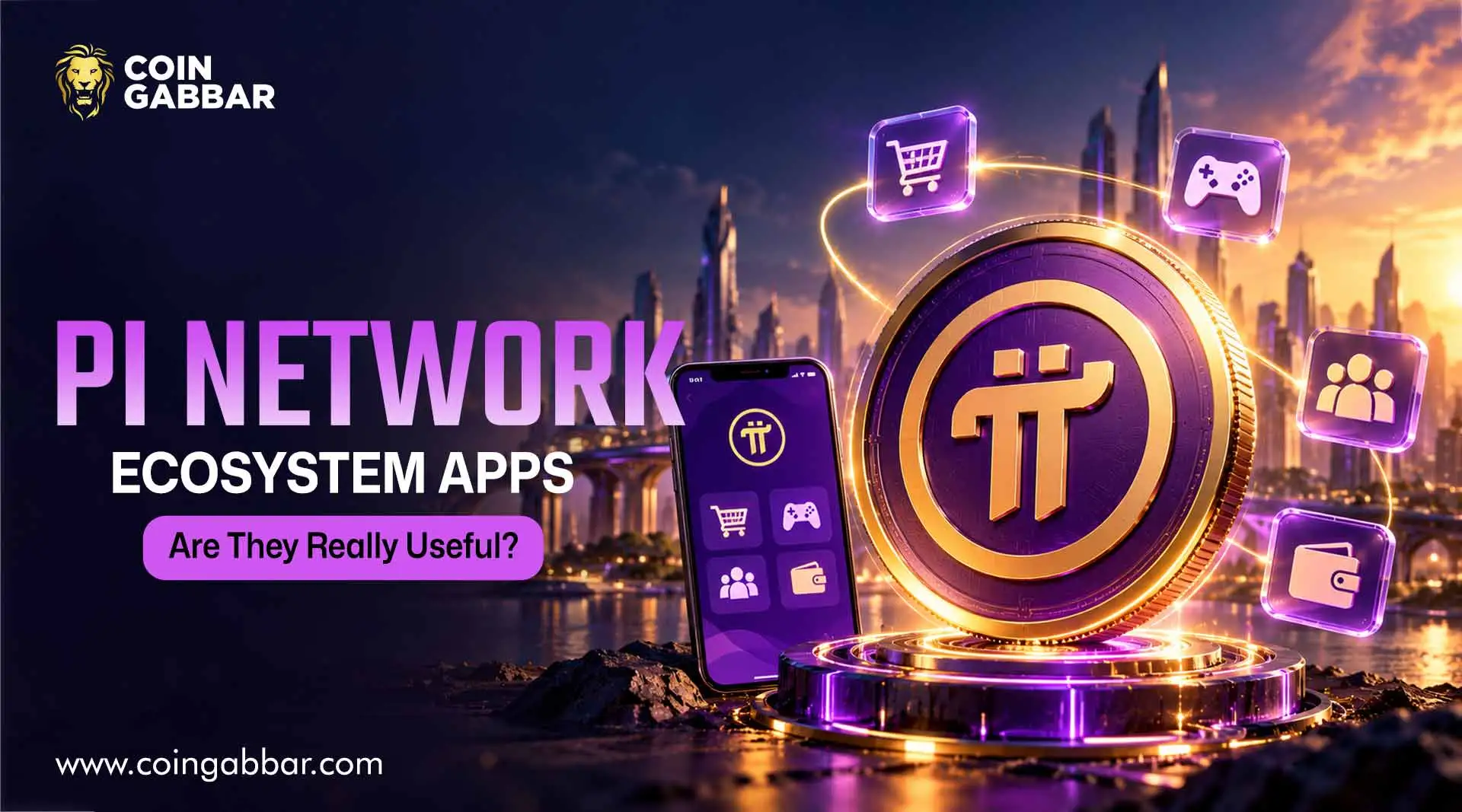
Pi Network Ecosystem Apps: Directory, Utility, and Safety Guide
Mining Pi is easy to understand. Spending it is where things get interesting. Pi-Network ecosystem apps aim to give the coin practical uses, from digital services to commerce.
Still, seeing an app in Pi Browser doesn't mean it takes Pi payments or runs on Mainnet. Before trusting one, users should look at what it really does and whether anything backs up its claims.
Pi Network ecosystem apps are apps made for the Pi-ecosystem. The Pi SDK documentation explains platform features like sign-in and payments. Users can browse these apps through Pi Browser, but each app's URL, features, and network status are worth checking first.
What Are Pi Network Ecosystem Apps?
Simply put, they're apps that people use inside the Pi-ecosystem. Depending on how they're built, they might offer:
Digital services
Handy everyday tools
Games and rewards
A way to shop or pay
The official Pi SDK documentation explains how developers use supported platform features.
For the project's broader vision, readers can see the Pi Network whitepaper page, though technical claims belong with official documentation.
Pi Network Ecosystem Apps Directory: A Checking Framework
A useful directory does more than list names. This guide names no third-party apps, since their current status couldn't be confirmed.
The fields below show what an entry for Pi-Network ecosystem apps should record.
Field | What to check |
Official URL | Whether it matches the developer's stated site |
Main function | What the app actually provides |
Payment support | Whether documentation confirms it |
Network status | Evidence of Testnet or Mainnet Use |
Last checked | Review date and sources used |
Entries without evidence should be marked Unverified. A listing is not an endorsement or a safety guarantee.
How to Find Apps in Pi Browser
Menu names can change between versions, but the general route to Pi-Network ecosystem apps stays similar:
Open Pi Browser from the official source
Search for an app by name, or scroll through the listings
Look at the destination URL before signing in
Read what the app is for, how payments work, and what its privacy terms say
Apps can also be opened through direct links, but a link that loads doesn't make an app official or well maintained.
Availability, Payments, and Mainnet Are Different
Beginners often merge three separate things when judging Pi-Network ecosystem apps.
Availability: the app opens
Payment support: the app implements Pi payments
Mainnet status: evidence shows live network use, not a test environment
An app can meet one condition without the others. If the evidence is unclear, call the status "Unconfirmed" rather than guessing.
How Pi Payments Work
The docs describe two payment directions for Pi Network ecosystem apps:
User-to-App (U2A): a user pays an app for a service
App-to-User (A2U): an app pays a user, such as a reward or withdrawal
Users should read the amount and purpose shown at approval. Anyone new to that step can follow this Pi Network wallet guide.
Can a payment be reversed?
A confirmed blockchain transaction may be irreversible
A seller's refund is usually a separate payment, not an undo
Before paying, check the seller's identity, delivery terms, and refund process
What Real Utility Means
Utility means an app does something users can understand and test. Pi publishes no official category list for Pi Network ecosystem apps, so these editorial groups help:
Commerce
Games
Social tools
Paid services
A category doesn't prove any specific app exists or accepts Pi. Three questions matter more than promotional language:
Does the app solve a clear problem?
Are its fees and terms understandable?
Is there credible evidence the feature works?
How Developers Publish Apps
Developers building Pi Network ecosystem apps can start with the Pi platform documentation, which covers:
App registration
API keys
Testing before launch
Separate test and mainnet projects
The version reviewed says legacy test projects cannot be updated to Mainnet. Developers should confirm current rules before relying on that, since workflows change.
Checking Whether an App Uses Mainnet
A polished interface proves nothing about the network. Readers checking Pi Network ecosystem apps can ask:
Does the developer name the network?
Is there current documentation or a dated announcement?
Does the payment flow match the stated network?
A payment button alone isn't proof. For platform changes, official documentation comes first, and Pi Network news can add context without replacing primary evidence.
Safety Checks Before Using Pi Apps
Before using Pi Network ecosystem apps, run through these checks:
Confirm the URL matches the expected address
Review the payment amount and purpose
Never share the wallet passphrase
Review requested permissions
Check for an identifiable developer
Treat promises of free Pi with suspicion
Current safety guidance sits on the official Pi Network website, so wallet addresses and instructions should be checked there.
For more tricks to watch for, see this Pi app scam prevention guide. No single check guarantees safety. If something can't be verified, waiting is the safer choice.
A Practical Example
Picture a hypothetical online tutor who accepts Pi through one of the Pi Network ecosystem apps. Before paying, a student would:
Check the tutor's identity and app URL
Read the lesson terms and refund policy
Review the payment amount before approving
This is an illustration, not a verified case study.
Conclusion
Pi Network ecosystem apps may connect Pi with real digital services, but their value depends on what developers deliver and what evidence users can find. Readers curious about the long view can explore the ecosystem and future of Pi.
Market views, such as this Pi Network price prediction, are opinions and don't show whether an app is useful. A good directory should show:
What each app does
The evidence behind it
When it was last checked
Disclaimer
This article provides general educational information about Pi ecosystem apps. It isn't financial, investment, legal, or tax advice and doesn't recommend buying, selling, or holding any asset. Crypto transactions carry risk, and losses are possible.








.webp)