Pi Network Releases Key KYC and Mainnet Updates: Full Details Here

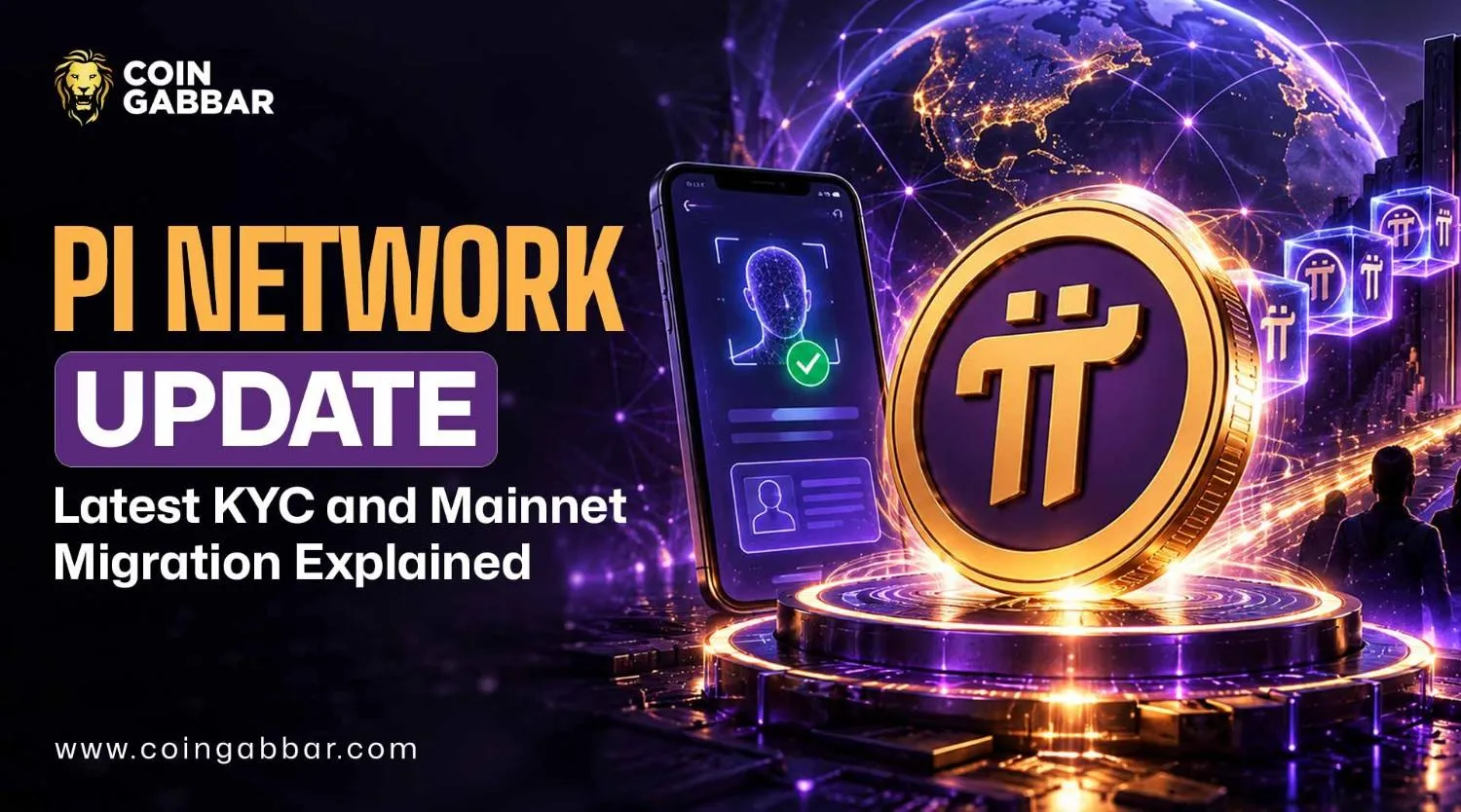
Pi Network has rolled out a fresh round of updates to its KYC verification system and transfer process. For millions of Pioneers still waiting to move their Pi from the app to their Mainnet wallets, these changes matter.
This article breaks down the latest Pi Network KYC and Mainnet Migration progress, why some accounts keep getting stuck, and what Pioneers should do next. Those looking for background on the network's journey so far can also read this Pi Network 2019 to 2026 complete guide for added context.
Pi Network Verification Updates Address Key Cases
The latest Pi Network verification update focuses on identity verification edge cases that previously left many accounts stuck in review. The Core Team has continued.
refining the verification software so it can handle name mismatches, document quality issues, and duplicate account flags more accurately.
These changes are part of the broader Pi Network verification and Mainnet Migration effort aimed at reducing the backlog that built up as the network scaled to tens of millions of applicants. Pioneers wanting a fuller walkthrough of the process can check this guide on Pi identity verification requirements.
-
Improved handling of documents submitted in different formats or lighting conditions
-
Better detection logic to separate genuine duplicate flags from false positives
-
Clearer in-app messaging when an application needs additional review
Transfer Updates Help Stuck Pioneers Progress
Alongside the KYC changes, Pi Network has also pushed updates that directly affect the process. Many pioneers complete verify only to find their account stuck in the queue for weeks or months.
The recent adjustments to Pi Network KYC and Mainnet Migration aim to clear part of that backlog by improving how the transfer checklist processes wallet creation and verification steps. A step-by-step Pi Network transfer guide covers this checklist in more detail for anyone still working through it.
Pi Network's open blockchain network went live on February 20, 2025, making PI externally transferable for the first time, and a further community phase milestone followed on March 14, 2026, expanding ecosystem access and triggering a new transfer wave.
The rollout of Pi Network Protocol V27 also played a role in shaping how the network handles verification and transfer traffic at this scale.
Why Some Pi Network Users Face Verification Delays
Not every Pioneer moves through verification at the same pace, and there are a few common reasons why.
-
High application volume: Verifying identities for a network of this size takes time, even with automation.
-
Document mismatches: Names, photos, or details that don't line up exactly with the government ID can trigger manual review.
-
Flagged duplicate accounts: The system checks for multiple accounts tied to one person, which can slow down legitimate cases too.
-
Incomplete mining activity: Some accounts need a minimum number of mining sessions before a verification slot becomes available.
How Pi Network Handles Verification and Migration Checks
Pi Network relies on a mix of automated screening and human review to process identity applications. Once an application clears this stage, the account still needs to complete the Mainnet Checklist before the transfer can happen.
This checklist typically includes agreeing to migration terms, setting up a Pi wallet, and passing final validation checks before Pi moves from the mining app to the live blockchain.
Understanding this full Pi Network KYC and Mainnet Migration flow helps Pioneers know exactly where their account stands.
Pioneers should also understand how the Pi Network lockup mechanism affects circulation timelines once their balance is transferred.
-
Complete identity verification through the official Pi app
-
Set up and confirm a Pi wallet through the Pi Browser
-
Agree to Mainnet migration terms
-
Wait for the account to be processed in the processing queue
What These Pi Network Updates Mean for Pioneers
For Pioneers who have been waiting, these updates represent incremental but meaningful progress. Faster KYC processing means more accounts can reach the migration queue, and smoother Mainnet Checklist handling means fewer Pioneers get stuck at the final step. That said, transfers are still rolled out in phases, so not every account will see immediate movement.
Growth in the Pi Network ecosystem in 2026 also means more Pioneers now have real reasons to complete migration beyond simply holding their balance.
What Comes Next for Pi Network KYC and Mainnet Migration
The Core Team has indicated that KYC progress remains a top priority as the network works through its Enclosed Network period. Continued software updates are expected to keep addressing edge cases, while transfer batches are likely to keep expanding as more wallets are verified and cleared.
Wider Pi Network utility adoption is likely to depend on how quickly this Pi Network KYC and Mainnet Migration backlog clears going forward.
Pi Network KYC and Mainnet Migration
Together, the KYC system and the mainnet migration process form the backbone of how Pi Network moves users from the mining app to a functioning blockchain economy.
As detailed in Pi Network's own KYC FAQs, the process has been updated repeatedly over the years to handle a growing and diverse user base, and that pattern appears to be continuing with this latest release.
Conclusion
Pi Network's latest Pi Network KYC and Mainnet Migration updates show steady, ongoing progress rather than a single dramatic fix.
Pioneers who are still waiting should keep their app updated, monitor official announcements, and ensure their documents and wallet setup meet the current requirements.
Transfer timelines vary by account, but the direction of these updates points toward a gradually clearing backlog. Those tracking market sentiment alongside these updates may also find this Pi Network price prediction useful for added context.
Disclaimer: This article is for educational purposes only and does not constitute financial or investment advice. Pi Network updates and timelines can change. Always verify information through official Pi Network channels.