Pi Network SDK Explained: Tools for Application Development

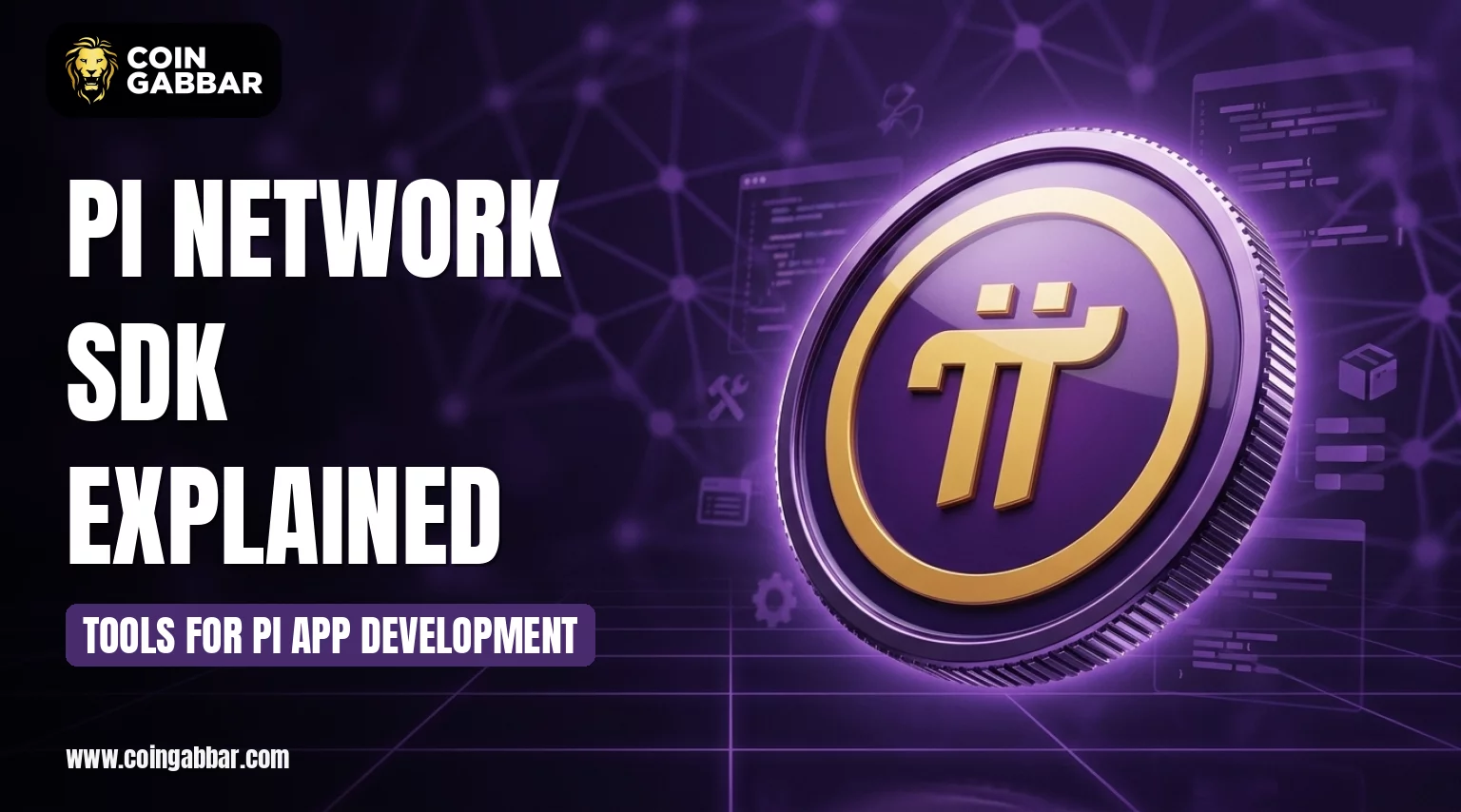
How the Pi Network SDK Powers Pi App Development
Pi Network says developers need no prior blockchain experience to build on its platform. The Pi Network SDK is the toolkit behind that claim, and it deserves a careful look.
In plain terms, it connects an ordinary web app to Pi accounts, the Wallet and the Blockchain. Developers use it for logins, payments and ads inside the Pi Browser.
Many readers search for it to learn one thing: what can it actually do? This guide covers the core tools, the payment flow, sandbox testing and listing rules. Every point comes from official Pi resources, and project claims are labeled as claims.
What Is the Pi Network SDK and How Does It Work?
The Pi Network SDK is a JavaScript library paired with backend APIs. It aims to hide much of the blockchain complexity, so users can spend Pi without leaving the app.
On the front end, an app loads one script tag. That adds a window.Pi object, which acts as the bridge between the web app and the Pi Browser.
Here is the catch. Login and payment features only run inside the Pi Browser.
The official Pi SDK documentation groups the toolkit into three jobs:
User authentication with Pi accounts
Payments, both user-to-app (U2A) and app-to-user (A2U)
Platform features such as the Pi Wallet and standard interface components
Pi's official developer page says the platform gives access to more than 60 million members. That figure is a project claim, not an audited number.
New to the token itself? Our latest Pi Coin coverage explains the market side, while this guide stays on the developer tools.
Which Tools Does the Pi Network SDK Include?
Core methods sit under window.Pi. This table lists the main ones from the documentation.
Tool | What it does |
Pi.init | Starts the SDK. Takes a version number and an optional sandbox flag |
Pi.authenticate | Signs in a Pioneer and returns user data plus an access token |
Pi.createPayment | Starts a user-to-app payment |
Pi.Ads | Checks for, requests and shows ad units |
openShareDialog, openConversation | Sharing and chat features |
copyText, openUrlInSystemBrowser | Small utility helpers |
The docs add a caution. Method availability can differ by version and build, so check the current documentation before shipping.
Login runs on scopes, which are the permissions an app asks for. Apps need at least payments and username. Extras like wallet addresses are optional. First-time users see a consent screen before sharing any data.
The access token that comes back must be verified on the developer's server. The docs say never to trust client-side user data alone.
How Does a Payment Move Through the Pi Network SDK?
Payments wrap a blockchain transaction. That keeps the app, the Pi servers and the blockchain in sync. The documentation describes three phases:
Creation and approval: The app calls createPayment, and its server approves the payment through the Pi Platform API.
User action: The Pi Wallet opens. The user reviews, signs and submits the transaction to the Pi Blockchain.
Completion: The server confirms the transaction ID with Pi's servers, and only then does the payment flow close.
The docs also warn that users may run a hacked version of the SDK. If the completion call returns an error, the app should not deliver whatever the user tried to buy.
A related mistake is granting a feature when approval fires or the payment window closes. The documentation says to wait for server-side completion.
The wallet is where that payment sheet appears. For balance basics, see our guide to locked versus available Pi.
What About App-to-User Payments?
createPayment only covers U2A flows. Payments from an app to users, such as rewards or withdrawals, run from the backend through the Platform API. The docs cover this under Advanced Payments.
Can Developers Show Ads Through the Pi SDK?
Yes. The Pi Network SDK includes a Pi.Ads module with two ad types. Interstitial ads are full-screen and appear between actions, like game levels. Rewarded ads let an app give something back once the user finishes watching.
Three methods handle the flow: isAdReady, requestAd and showAd. The docs advise checking readiness first and preloading ads at launch.
Rewards need extra care. An app should never grant one based on the client result alone. Its server must verify the ad ID with Pi, and the status must read "granted." The docs also tell developers not to spam users with ads.
How Does Sandbox Testing Work for Pi Apps?
Testing everything inside the Pi Browser would be slow. So It offers a sandbox for the Pi Network SDK that behaves like the production browser.
Developers set the sandbox flag to true during initialization. Then they open the app at the sandbox address in a desktop browser. A development URL must first be set in the Developer Portal.
The sandbox shows an authorization code. The developer enters it under Pi Utilities in the Pi app. After that, testing can start.
For faster starts, the docs list quick-start packages for Next.js, Rails, Django and Express on the backend, plus React and plain JavaScript on the front end. Pi also offers a demo app, reachable by typing demo.pi into the Pi Browser.
What Must an App Meet to Get Listed?
Building an app and getting it listed are two different steps. The docs set clear conditions for the Mainnet Ecosystem listing:
Developer KYC verification before submission
Pi authentication only, with no email or third-party logins
Pi-only transactions, with no other tokens or fiat
No redirects to outside sites, judged case by case
Minimal data collection
A domain that does not start with "pi" and no misuse of Pi branding
A fully working app with a clean interface
A working app is not automatically a listed app.
What Does the Data Say About the Pi Network SDK?
The stronger signal is the documentation itself. The payment flow is specific, and the server-side checks show Pi expects developers to distrust the client. That is sound practice.
The main concern is dependence on the Pi Browser. Core features do not run elsewhere, and listing rules limit outside links and payments. Developers trade reach for control.
The biggest unknown is real-world traction. The pages reviewed for this article do not publish counts of live apps or developer earnings. The 60 million figure is also a claim. The Pi whitepaper was published on March 14, 2019, and Pi itself says its details are not fully current. Updated draft chapters followed on December 28, 2021.
A toolkit is also not a price signal. Readers tracking the token can compare this guide with our Pi Network price forecast.
Before building, readers should verify three things:
The current SDK version and any changes to methods
The latest listing requirements
Recent ecosystem shifts, covered in our Protocol 27 and DEX news
Conclusion
The Pi Network SDK gives web developers login, payments and ads for the Pi Browser, backed by backend APIs and a sandbox. Its strongest feature is a careful server-side payment flow.
What remains uncertain is scale. Active app numbers, developer revenue and how strictly listing rules apply are not clear from the official material reviewed. Readers should check the live documentation first. For the wider picture, see our Pi Network review 2026.
Disclaimer
This article is for information only and is not financial, investment or technical advice. Crypto and developer platforms carry risk, and features can change. Always research independently before making decisions.