Zcash Shielded Transactions: How Private Payments Work

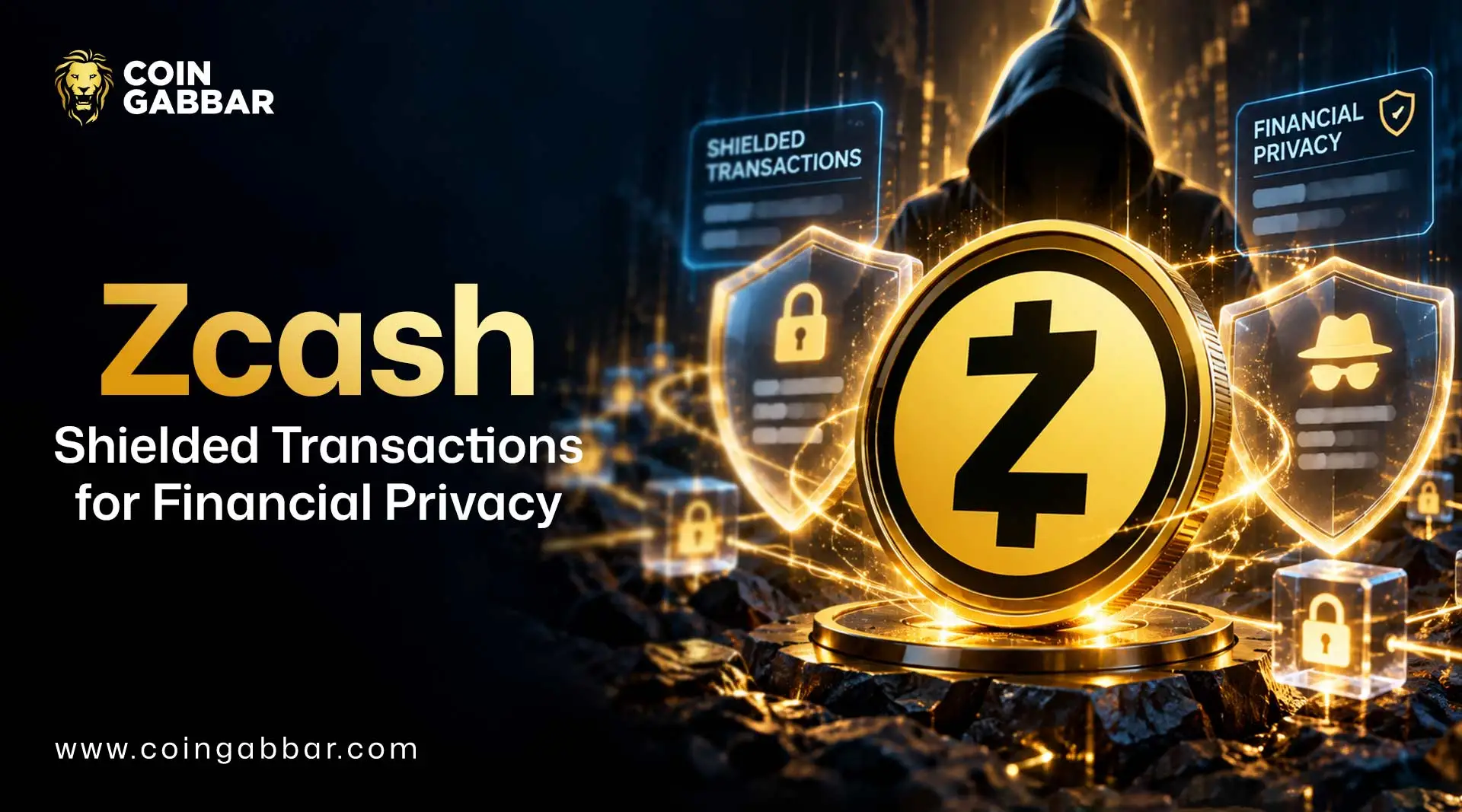
Zcash Shielded Transactions: Privacy, Security, and Payment Flow
Zcash Shielded Transactions let the network confirm a payment without showing who sent it, who got it, or how much moved. Most blockchains publish every detail.
That gap explains the steady interest in private payments, especially as some wallets now send funds the shielded way by default.
What Does Zcash Mean, and Why Does Privacy Matter?
Zcash is a digital coin built to work like cash, with ZEC as its ticker. Its official website calls it encrypted electronic cash.
On most blockchains, every balance and transfer sits in public view. The Zcash project says that is simply how those chains were designed, not a hidden flaw.
Zcash adds a choice. A payment can stay public, or it can be shielded so the details are encrypted. The project describes shielded and transparent Zcash as private versus public financial information.
The project also says shielded funds give holders more control and some protection from fraudsters. That is a project claim, and these payments have limits that later sections cover.
How Do Zcash Shielded Transactions Work in Practice?
Zcash-Shielded-Transactions use shielded addresses. The payment data goes onto the blockchain in locked form instead of plain text.
Every node still keeps a full copy of the chain. For private payments, that copy holds locked data in place of readable names and amounts.
So how does the network know a payment is real? Nodes check a short proof that the sender owns the funds and the rules were followed without opening the locked data.
Zcash Shielded Transactions can also carry an encrypted Zcash memo, a short note only the receiver can read. The amount and memo will be displayed in the receiving wallet, but not the sender’s address.
What Information Do Zcash Shielded Transactions Hide?
The answer depends on the route a payment takes. Zcash has one transparent pool and several shielded pools, and coins can move between them.
Payment route | Sender | Receiver | Amount |
Transparent to transparent | Visible | Visible | Visible |
Transparent and shielded | Visible | Hidden | Visible |
Shielded to shielded | Hidden | Hidden | Hidden |
Shielded to transparent | Hidden | Visible | Visible |
Only the shielded-to-shielded route gives full Zcash Shielded Transactions privacy. Mixed routes still expose the transparent side, so the project recommends wallets that are shielded by default.
What Role Do zk-SNARKs Play in Private Payments?
The privacy behind Zcash Shielded Transactions comes from zero-knowledge proofs known as zk-SNARKs. Such a proof shows that a statement is true without revealing the data behind it.
The project says Zcash was the first widespread use of this tool. Its proofs are tiny, take only milliseconds to check, and arrive as a single message.
Earlier, pools Sprout and Zcash Sapling needed a trusted setup, a ceremony that creates shared public settings. If its secret randomness leaked, a bad actor could forge proofs and print fake coins.
Network Upgrade 5 arrived in May 2022 with Orchard, which uses the Halo 2 proving system and needs no trusted setup. The Orchard shielded pool, therefore, has no setup ceremony to worry about.
How Do Unified Addresses Make Private Payments Easier?
Zcash has used several address types over time. A unified address bundles them into one string that works across the transparent and shielded pools.
If a Zcash wallet supports autoshielding, funds sent to that address can be shielded automatically. Zcash Shielded Transactions then become the default path for incoming money.
Sending from a unified address also shields the sender's address, whatever the receiver uses, the project says. Privacy becomes a default setting instead of an extra step. Wallets built this way aim to make the private route the normal one.
How Much ZEC Sits in Shielded Pools Today?
On October 21, 2026, the official Zcash network page listed about 4.96 million ZEC in shielded pools, out of roughly 17 million ZEC in circulating supply. That balance is what Zcash Shielded Transactions can move privately.
Dividing one figure by the other gives about 29 percent, though the numbers may update at different times. Total supply is capped at 21 million ZEC under the project's Zcash monetary policy.
A fair reading is that private use is meaningful but not yet universal. The figure shows how many coins sit in shielded pools, not how often they move or who holds them.
Can Zcash Shielded Transactions Still Be Audited?
Private does not always mean closed. Zcash supports viewing keys, which let a holder show chosen transactions to one chosen party, such as an auditor, without handing over spending power.
A shared key cannot be taken back, so past activity stays visible to whoever got it. Rules on privacy tools also differ by country, so how Zcash compliance features will be judged is still unclear.
What Risks Come With Zcash Shielded Transactions?
Strong encryption lowers some risks of Zcash Shielded Transactions but leaves others in place.
Protocol flaws: In June 2026, Zcash developers rolled out an upgrade after a soundness flaw, a weakness in rule checking, surfaced in the Orchard pool. Their update said privacy was unaffected and no exploitation was known.
Mixed routes: Moving funds between transparent and shielded pools exposes the transparent side, so a careless route can cost a payment much of its privacy.
Wallet support: Not every wallet shields by default, so the privacy a payment gets depends on the tools used at each step.
Regulation: Some governments look at privacy tools warily, and the rules on using them change from one country to the next. What is accepted today could be treated very differently after the next policy shift.
Market exposure: Privacy covers what a payment shows on the blockchain, not what the coin is worth. ZEC can still rise or fall sharply in a short time, just like other crypto assets.
What Habits Does the Project Recommend?
The project’s advice for Zcash Shielded Transactions is plain: stick to shielded payments, use a device that is kept secure, run a personal node if possible, and avoid sharing details that point back to the holder.
What Stands Out About Zcash Shielded Transactions?
Zcash Shielded Transactions hide who paid, who got paid, and how much moved, yet the network can still confirm that every payment follows the rules, thanks to zk-SNARK proofs. Orchard and unified addresses have made the private route easier in supporting wallets.
Some points remain uncertain: how much real activity uses Zcash Shielded Transactions, how regulators will treat them, and how well the newest code holds up after that fix.
Worth checking next are whether a wallet shields by default, which route a payment takes, and the latest notes on the official Zcash website before funds move.
Disclaimer:
This article offers general education about Zcash and is not financial, legal, or tax advice. Crypto assets are volatile, and privacy tools may face regulation. Independent research is needed before any decision.