ZKL Ethereum Deposit Pause: Contract Safety Explained

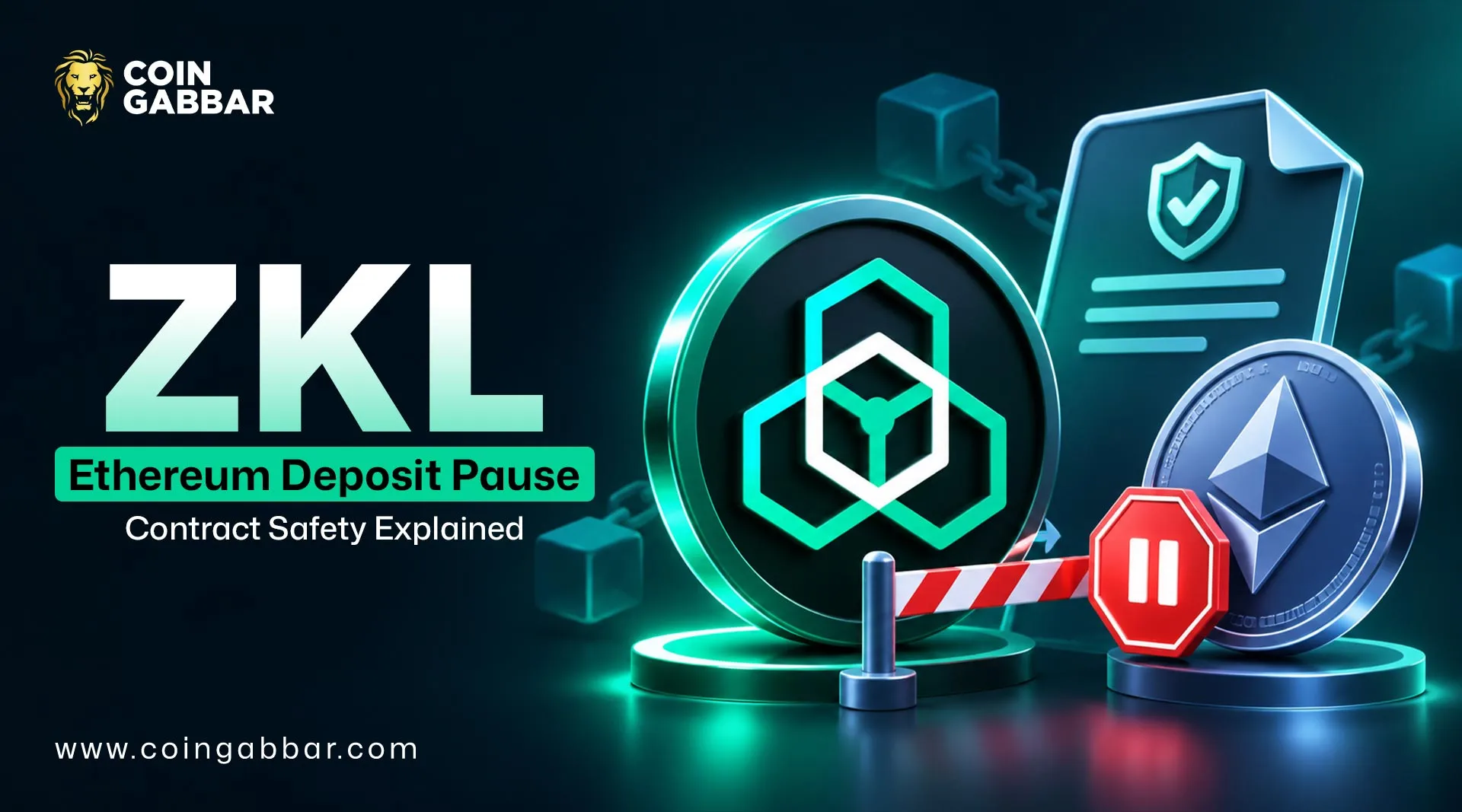
ZKL Ethereum Deposit Pause: Contract Safety Steps
The ZKL Ethereum Deposit Pause refers to the emergency steps taken around zkLink Nova, an Ethereum layer-two network, after its bridge to Ethereum was drained in October 2026.
Security firms reported that an attacker forged withdrawal approvals. zkLink stopped block production, patched contracts, and switched off withdrawals.
The episode teaches one clear lesson: pausing deposits does not automatically stop money from leaving, so users and builders need more than a single switch.
What Happened in the zkLink Nova Bridge Incident?
Late in October 2026, an attacker drained funds from the bridge that links zkLink Nova to Ethereum.
Losses were estimated at well over half a million dollars by two security firms, though zkLink itself has not given a figure.
Several tokens left the Ethereum escrow, including liquid staking assets and a smaller amount of ETH.
A second wallet also took a large quantity of the ZKL token, although that portion was worth far less.
A separate report said the same weakness was later used against escrow contracts on other networks, which pushed total losses above the first estimate.
zkLink said it paused block production, applied emergency fixes, and temporarily disabled withdrawals during a broader security review.
It added that services would return only after remaining risks were removed, and it offered the attacker a white-hat bounty if the funds were returned. No restoration timetable has been announced.
How Did the Exploit Work?
One security firm said the attacker used a public relayer to inject a forged batch root on Ethereum.
A batch root is a summary that tells the bridge which withdrawals are legitimate. If the bridge accepts a fake one, forged withdrawal proofs can pass.
A second firm traced the flaw to a function in the arbitrator contract. According to a separate technical analysis, a temporary message hash was not cleared after authentication, so an earlier valid message could be reused.
Combined with a publicly callable relayer, that let a fabricated batch root through.
The researchers described the weakness as a cross-chain message authentication problem, not a failure of Ethereum itself or of the zero-knowledge proof system. zkLink has not confirmed either account, so the technical detail is reported.
Why Was the Deposit Pause Not Enough?
This is the most useful part of the ZKL Ethereum Deposit Pause story. Researchers reported that some connected networks had contract pauses in place before the second wave, yet those pauses restricted deposits without preventing fraudulent withdrawals.
Another report noted that the main Ethereum escrow looked unpaused for a time after the first warning.
A pause is a blunt tool. It only blocks the functions its designers wired to it. If the exit path is not covered, an attacker can keep pulling funds while the front door looks closed. Which contracts were paused, and exactly when has it not been made public?
What the Evidence Shows About the ZKL Ethereum Deposit Pause
Claim | Status |
The bridge between zkLink Nova and Ethereum was drained in October 2026 | Reported |
A forged batch root was used to pass fake withdrawals | Reported |
The flaw sat in cross-chain message handling in the Arbitrator contract | Reported |
zkLink paused block production and disabled withdrawals | Confirmed (zkLink statement) |
Some deposit pauses did not stop fraudulent withdrawals | Reported (security researchers) |
zkLink offered the attacker a white-hat bounty | Confirmed (zkLink statement) |
Final loss total and treatment of pending withdrawals | Verified |
Exact timing of each contract pause | Verified |
What Should Users Do After the ZKL Ethereum Deposit Pause?
Users with funds on zkLink Nova can follow zkLink's official channel for restoration news and pending withdrawal guidance, since no timeline has been released. Meanwhile:
Avoid sending new funds across the bridge until the team confirms the fixes.
Ignore anyone claiming to offer "withdrawal recovery" for a fee. Such offers usually target victims of an incident.
Check token approvals on a block explorer's token approval checker and revoke any that are no longer needed.
Keep records of balances and transactions in case support later requests them.
Contract Safety Steps Before Using a Bridge
The ZKL Ethereum Deposit Pause shows that bridges concentrate risk, because one escrow can hold funds from many users. Before moving assets, cautious users can run through a short checklist:
Read the audit history: Look for published reviews, and check whether the audited version matches the live contract.
Check the pause design: Good teams explain what a pause covers, including the withdrawal path.
Start small: A test transfer costs little and reveals problems early.
Limit exposure: Large holdings rarely belong in a single bridge or escrow.
Watch official channels: Alerts from a project's verified accounts matter more than rumors.
Review approvals: Unlimited permissions are a quiet risk.
Developers can study the Ethereum smart contract security guide for patterns such as access control, emergency stops, and testing.
Why Does This Matter for Ethereum Holders?
The ZKL Ethereum Deposit Pause did not mean Ethereum itself was broken. The weakness lived in application code built on top of it.
Even so, a bridge exploit affects confidence across the ecosystem, and holders who follow Latest Ethereum News Today will see how quickly security stories can move markets and sentiment.
Readers who stake or hold ETH on the main network face a different risk profile than bridge users.
The guide to Ethereum staking explained covers how staking works after the Merge, and beginners can review how to buy Ethereum before deciding how much to move across any network.
Final Thoughts
The ZKL Ethereum Deposit Pause is a reminder that emergency controls only work when they cover every route out of a contract.
The incident also shows why bridges stay a favorite target: they hold pooled funds and rely on complex message checks.
Until zkLink explains the cause and restores service, users should treat the situation as unfinished, avoid new transfers, and stay alert for fake recovery offers.
Disclaimer: This article is for information only and is not financial advice. Details of the incident may change, so confirm current status with zkLink's official channels.