FOMC Meeting Minutes: Is 9–3 Vote Signals September Fed Rate Hike?

FOMC Meeting Minutes: Fed Interest Rate holds 3.50%-3.75% in July 2026
The latest FOMC Meeting Minutes from the Federal Reserve's July 28–29 gathering, released on August 20, 2026, paint a picture of a central bank caught between persistent inflation and a rapidly expanding AI-driven economy. Policymakers held rates steady but revealed a split committee, with three members pushing for a hike.
The minutes highlight upside inflation risks tied to tariffs, Middle East tensions, and AI investment, alongside growing worries about financial stability from AI-related leverage. Here's a full breakdown of what the Fed Meeting Minutes disclosed and what it could mean going forward.
Fed Minutes Show Inflation Risks Remain Above 2% Target
The FOMC Minutes confirmed that participants generally see inflation sitting well above the Committee's 2% goal, with risks tilted to the upside. Core PCE inflation was estimated near 3.3% in June, still elevated by historical standards.
Officials acknowledged that price pressures have been broad-based across goods and services, and that even after stripping out tariff- and energy-related items, underlying inflation still looks sticky. This keeps the Fed cautious about declaring victory over inflation anytime soon.
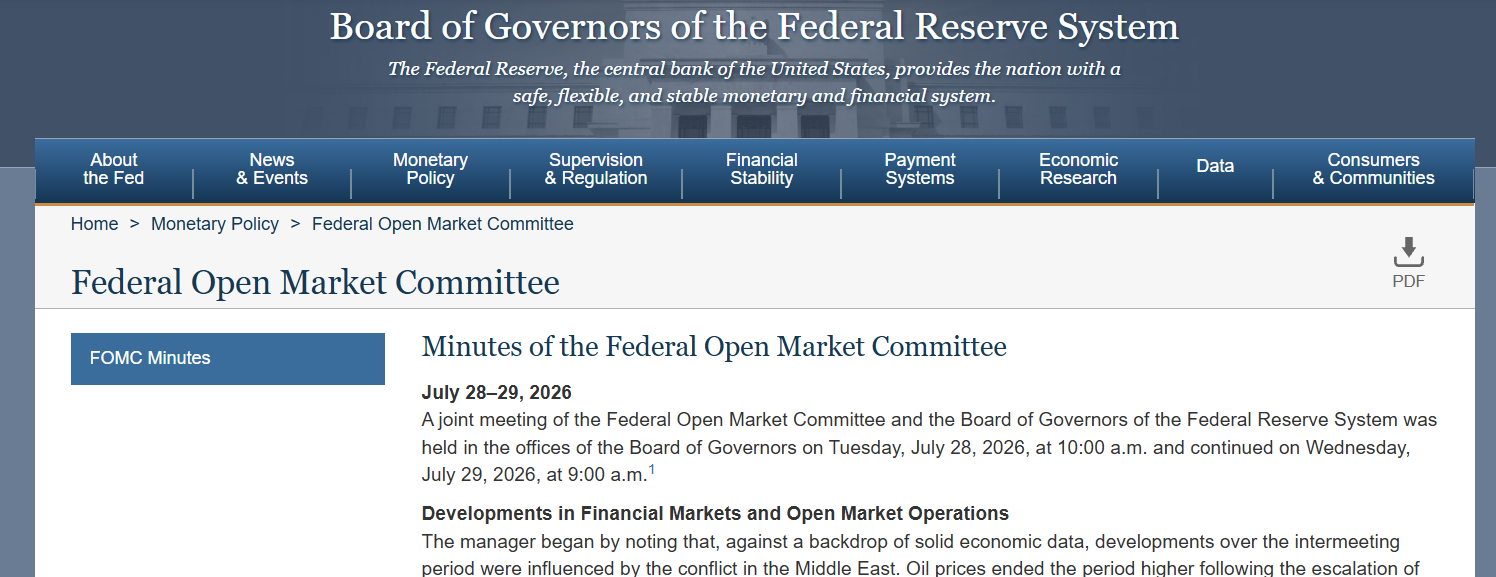
federalreserve official website
Several Fed Officials Backed a 25 Basis Point Rate Hike
Not everyone on the committee was comfortable holding steady. Several participants argued for a 25 basis point increase, believing price pressures remained too widespread to ignore. Three voting members—Beth Hammack, Neel Kashkari, and Lorie Logan—formally dissented, preferring tighter policy immediately. Their reasoning centered on avoiding a steeper, more disruptive tightening cycle later if inflation doesn't cool as expected.
Fed Holds Interest Rate at 3.50%-3.75% in July
Despite the hawkish undertone, the majority held firm. The Fed voted 9–3 to keep the federal funds rate in the 3.50%–3.75% range, maintaining its ample reserves framework. The Fed rate cut on reserve balances stayed at 3.65%, and the primary credit rate remained at 3.75%. This decision reflects a wait-and-see approach as officials look for more clarity before committing to a policy shift.
Tariffs and Middle East Conflict Could Keep Inflation Elevated
Geopolitical friction remains a major wildcard. The Middle East conflict pushed oil prices higher during the intermeeting period, and officials warned that a prolonged conflict could extend supply chain disruptions. Tariffs, meanwhile, continue feeding into core goods prices. While most participants expect these effects to fade later in the year, many flagged the risk that inflation proves more stubborn than currently forecast.
AI Investment Adds Fresh Demand Pressure to Inflation
The AI buildout isn't just a growth story—it's also becoming an increase-in-price story. Materials tied to data centers, including chips and steel, have seen sharp price increases, and demand for AI-related infrastructure has spilled over into consumer prices for electronics and software. Some officials believe AI investment is already pushing up aggregate demand economy-wide, adding another layer of complexity to the inflation outlook.
Fed Sees Labor Market Stable as Economic Growth Continues
On the employment side, things look steadier. Unemployment held near 4.2% in June, and job gains have generally kept pace with labor force growth. Officials described labor demand and supply as balanced, though a few noted lingering softness such as a low job-finding rate. Overall economic activity kept expanding at a solid pace, propelled largely by AI-related investment and resilient consumer spending.
AI Boom Raises Financial Stability Risks for Markets
Beneath the growth numbers, the Fed flagged real vulnerabilities. High valuations tied to AI-linked firms, combined with rising leveraged financing—including borrowing from nonbank investors and regional banks—have raised financial stability concerns. Hedge fund leverage sits near record highs, and life insurers hold heavy exposure to riskier, less liquid assets, adding fragility to parts of the financial system.
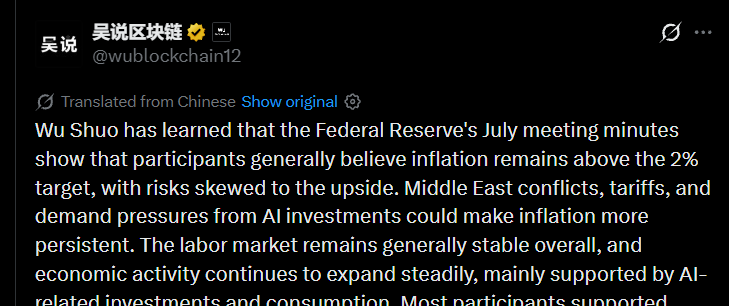
Fed Warns AI Repricing Could Trigger Broader Asset Selloff
Perhaps the most notable warning in the Federal Reserve meeting Minutes: if investor expectations for AI sector profitability get downgraded, it could set off a broad repricing of assets. That, in turn, could tighten financial conditions across the economy and pressure institutions tied to the AI ecosystem, whether directly or indirectly exposed.
What the Fed Minutes Mean for the September Rate Decision
With rising prices still elevated and a divided committee, the September 15–16 meeting looms as a key decision point. Markets currently price in a possible rate move by then, though the median outlook among desk survey respondents leans toward no change this year. Much will hinge on incoming inflation and labor data over the coming weeks.
Fed Minutes Timeline: July Rate Decision to August Release
-
July 28–29: FOMC holds its policy meeting.
-
July 29: Fed votes 9–3 to keep rates at 3.50%–3.75%.
-
July 29: Three officials favor a 25-basis-point hike.
-
August 20: July FOMC minutes reveal broader concerns about persistent price hikes and AI-related financial risks.
-
September 15–16: Next scheduled FOMC meeting, where inflation and incoming economic data will shape the rate decision.
Conclusion
The FOMC Meeting Minutes underscore a Federal Reserve navigating competing forces: persistent pressures from tariffs, geopolitical conflict, and AI-driven demand, against a backdrop of a stable labor market and financial stability concerns tied to AI valuations. With three dissenting votes favoring a hike, the September meeting could prove pivotal. Investors and crypto markets alike will be watching closely for signs of the Fed's next move.
Disclaimer: This article is for informational purposes only and does not constitute financial, investment, or trading advice. Always conduct independent research and consult a qualified financial advisor before making any investment decisions.






