Hot Wallet vs Cold Wallet: Which Is Safer After the Binance Hack?

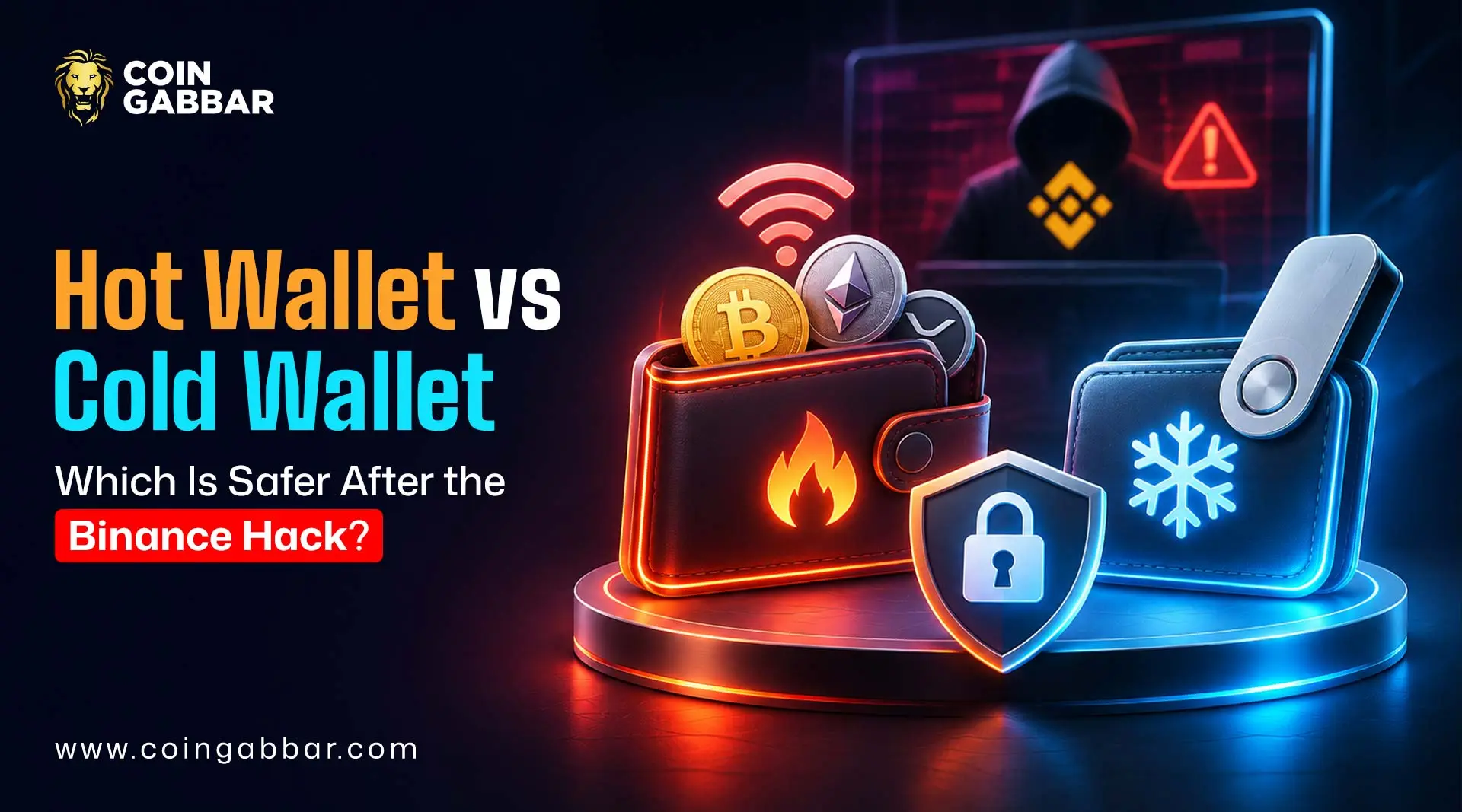
Hot Wallet vs Cold Wallet: Which Is Safer After the Binance Hack?
Crypto theft keeps making headlines, and the hot wallet vs cold wallet debate is back. On October 30, 2026, Binance said attackers drained its hot wallets on several networks. The company estimates the impact at about $6.3 billion.
Many readers now ask a simple question. Which one is safer? This guide explains both, and our crypto wallet basics can help if the terms feel new.
The sections below explain how each wallet works, what Binance has officially said, and where each option can fail. Official statements and technical documentation form the base. Where facts remain unclear, the text says so.
What Is a Crypto Wallet, Really?
A crypto wallet doesn't hold coins. The coins live on the blockchain. The wallet holds the private key, a secret code that proves ownership. Whoever controls that key controls the funds. That's why wallet security matters so much.
Wallet makers sort wallets by one question. Is the key connected to the internet, or not?
Hot Wallet vs Cold Wallet: The Basic Difference
A hot wallet keeps its keys on a system that connects to the internet. Mobile apps, browser extensions, and exchange withdrawal systems all fit here. They send funds fast, so people use them for daily tasks.
A cold wallet keeps its keys offline. According to Ledger's hot and cold wallet guide, these wallets create and store private keys away from the internet. The most common type is a hardware wallet, a small physical device.
The trade-off is simple. Hot wallets favor speed. Cold wallets favor protection.
What Binance Says Happened on October 29
According to Binance, unauthorized withdrawals began around 20:05 UTC on October 29, 2026. They hit hot wallets on several networks. The company puts the total impact at about $6.3 billion.
Co-CEO Richard Teng said the affected funds sat in Binance's own hot wallet. He said Binance never uses customer funds for this purpose. He also said most user assets stay in cold wallets. They move to a hot wallet only when a user withdraws.
Binance pledged to cover the losses. Teng said the company set aside more than $6.34 billion. In an X post on October 31, he said Binance had replenished 90% of the stolen assets.
The Binance statements reviewed name no attacker. Teng has also said a fuller account will follow. Some details remain unknown.
How Does a Hot Wallet Work?
A hot wallet signs transactions on a connected device or server. Signing means approving a transfer with your private key. The wallet then sends that approval to the blockchain.
This design is convenient. It also gives attackers more ways in. Malware, phishing links and hacked servers can all reach a connected key.
Exchanges use hot wallets to pay out withdrawals quickly. That speed comes with exposure. It's also why Teng stressed that most user assets sit elsewhere.
How Did EIP-7702 Play a Role?
Teng said the attacker used EIP-7702 on Ethereum. First, a quick definition. An EIP is an Ethereum Improvement Proposal, a public document that describes a change to the network.
According to the official EIP-7702 page, the proposal adds a new transaction type. It lets a regular account set code that runs for it. In plain terms, an ordinary account can act like a smart contract account.
Teng said the attacker used this feature to gain on-chain approval over a hot wallet. He said it bypassed Binance's normal approval controls. He described it as one signature that gave lasting access.
Why does this matter? A signature can do more than send funds once. A signed approval can hand control to outside code. So every request deserves a careful read before signing.
Hot Wallet vs Cold Wallet: Key Differences
Feature | Hot wallet | Cold wallet |
Key storage | Connected device or server | Offline device |
Remote attack paths | More | Fewer |
Speed | Fast | Slower, needs the device |
Common use | Daily spending and apps | Long-term storage |
Main risks | Phishing, malware, bad approvals | Lost seed phrase, bad approvals |
Cost | Often free | Device costs money |
Neither type fixes every risk. A bad approval can hurt you in both cases.
Advantages and Challenges of Each Option
Hot wallet advantages. They're quick to set up and work with most apps. Beginners can start in minutes. Our wallet setup guide walks through the steps.
Hot wallet challenges. The key sits on a connected system. Phishing, malware and risky approvals can expose it.
Cold wallet advantages. Keys stay offline, so remote attacks have fewer paths. Many devices also show transaction details on their own screen.
Cold wallet challenges. Self-custody means full responsibility. No support desk can restore a lost seed phrase. Devices also cost money and feel slower for frequent use.
Ledger adds one more point. It says a true cold wallet also avoids smart contract interaction. Users decide how much of their crypto faces that risk. That idea links back to EIP-7702.
Does the Binance Hack Change the Hot Wallet vs Cold Wallet Answer?
The incident hit a hot wallet that Binance runs. It didn't hit a user's personal cold wallet. By Teng's account, cold wallets held most user assets.
That supports a familiar idea. Keeping most funds offline limits what one breach can reach. But it doesn't settle everything.
Teng said the attacker bypassed normal approval controls. So where a key sits is only part of the story. Who can approve a signature matters too.
Safe Habits for Wallet Users
These hot wallet vs cold wallet points are educational, not advice.
Know who holds your keys. On an exchange, the company holds them. In a self-custody wallet, you do.
Protect your seed phrase. Keep it offline. Never type it into a website.
Read before you sign. Reject requests you don't understand, especially approvals that grant ongoing control.
Match the wallet to the job. Our list of popular wallet options covers both types.
Future Outlook
Binance said it is rebuilding its withdrawal system. It also plans a full security review covering endpoints, cloud, key management, and signing. Teng said more details will come later.
EIP-7702 remains part of Ethereum. Whether wallets and exchanges change how they handle such requests is unclear. Readers should watch for official post-incident reports.
Expert Opinion
Analysis of the incident points in two directions. Offline storage kept most Binance user assets out of reach, according to Teng. That supports the cold wallet model.
Yet the attack shows storage isn't the whole story. Approval controls and signing paths carry real weight. Binance's own statements say those controls were bypassed.
For individuals, a hardware wallet cuts remote risk. It can't judge whether a request is safe, though. For exchanges, hot wallets stay necessary because withdrawals need speed. The real question is how much sits in each and who controls the signature.
Final Thoughts
The hot wallet vs cold wallet question has no one-size answer. Cold wallets reduce remote attack paths. Hot wallets offer speed and access.
The Binance incident shows both sides. According to Binance, offline storage kept customer assets out of reach. Yet a single approval still led to a huge loss. Check official updates as Binance shares more.
Disclaimer: This article is for educational and informational purposes only and should not be considered financial or investment advice. Always conduct your own research before making investment decisions.