Avalanche Crypto News: Latest AVAX Updates, Trends & Analysis
Stay updated with the latest Avalanche crypto news, AVAX coin updates, blockchain trends, staking news, NFT updates, DeFi growth, and market analysis. Avalanche is one of the most watched blockchain networks because it is fast, low-cost, and built for apps, tokens, games, and custom blockchain systems.
This Avalanche guide helps readers understand what AVAX is, how the Avalanche blockchain works, why developers use it, and what market signals matter.
If you also follow wider altcoin market trends, Avalanche can be an important project to track because AVAX often moves with Layer-1 blockchain news, DeFi activity, staking demand, and ecosystem updates.
















Avalanche (AVAX) Crypto Blockchain: Fast & Low-Fee Ecosystem
Introduction to Avalanche Blockchain Technology and AVAX Coin
Avalanche is a smart contract blockchain made for speed, low fees, and scalable apps. Its native coin is AVAX. AVAX is used to pay network fees, support staking, secure the blockchain, and take part in the Avalanche ecosystem.
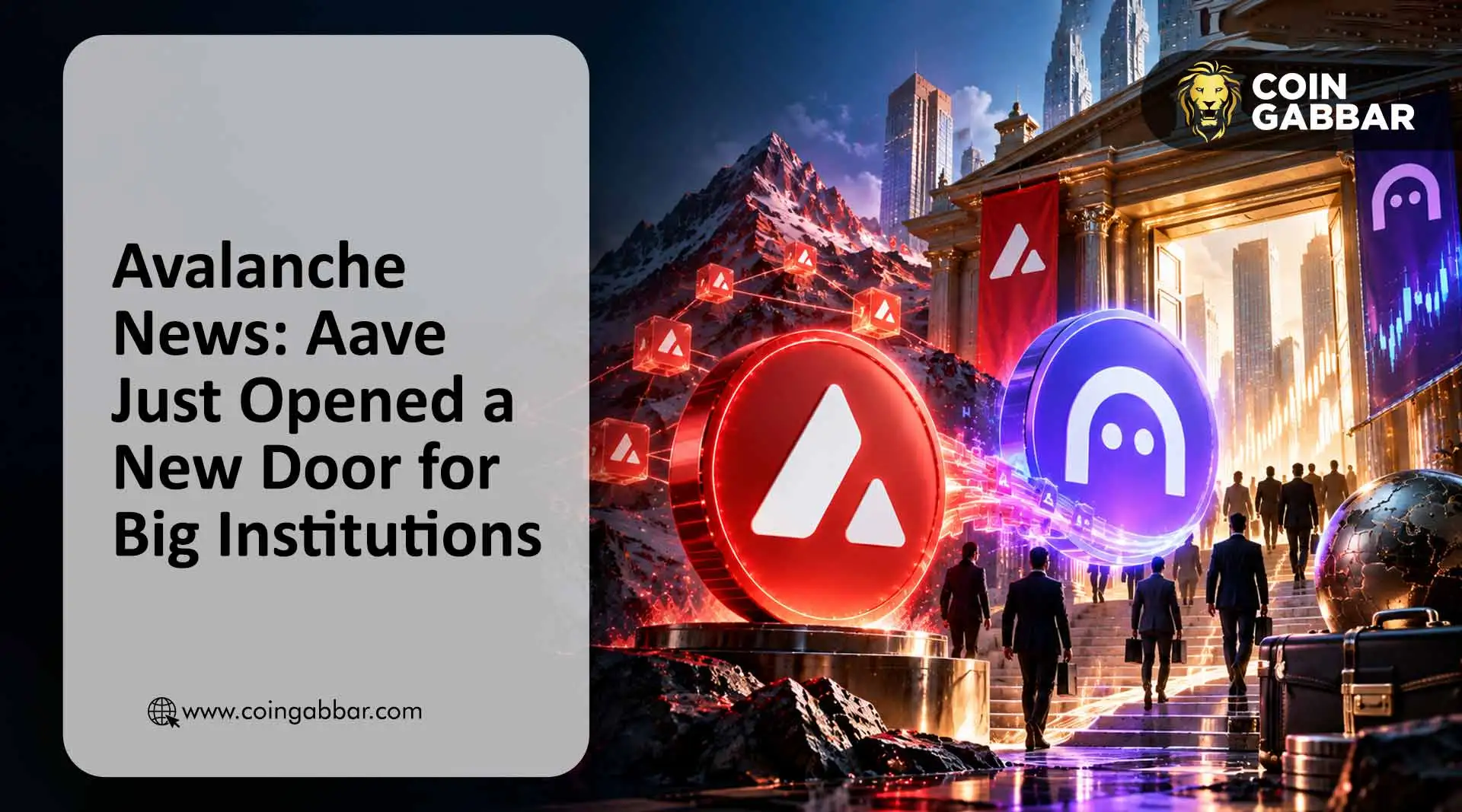
Many users follow AVAX coin updates because Avalanche is linked with DeFi, NFTs, gaming, subnets, token launches, and institutional crypto products. This makes Avalanche crypto news useful for traders, investors, developers, and blockchain users.
Benefits of Avalanche Fast and Low-Fee Transaction Ecosystem
Avalanche is popular because it can process transactions quickly while keeping fees low. This helps users move tokens, use DeFi apps, mint NFTs, play blockchain games, and interact with smart contracts without paying very high costs.
- Fast transaction finality
- Low network fees
- Support for smart contracts
- Developer-friendly tools
- Custom blockchain support through subnets
Avalanche Blockchain Security and Scalability Features
Avalanche uses a proof-of-stake model where validators help secure the network. Instead of mining, validators stake AVAX and take part in the consensus process. This helps the network stay secure while using less energy than proof-of-work systems.
Scalability is another key reason people follow Avalanche. The network is designed to support many apps and custom blockchain environments without forcing all activity into one crowded chain.
Avalanche: A Next-Generation Blockchain
Understanding Avalanche Consensus Mechanism and Validation Process
Avalanche uses a unique consensus system to confirm transactions. In simple words, validators check with other validators until the network agrees that a transaction is valid. This helps Avalanche process activity quickly while keeping the system decentralized.
Validators and delegators both play a role. Validators run nodes and help secure the network. Delegators can stake AVAX with validators to support the network and may earn rewards based on network rules.
Avalanche Blockchain Architecture and Smart Contract Platform
Avalanche has a multi-chain design. Its ecosystem includes chains that handle different jobs, such as asset transfers, staking, validator management, and smart contract activity. This structure helps Avalanche support more use cases than a simple single-chain network.
For a deeper look at the system, readers can explore this Avalanche ecosystem guide, which explains the role of Avalanche chains, subnets, staking, and real-world blockchain use cases.
Comparison of Avalanche with Other Blockchain Networks
Avalanche is often compared with Ethereum, Solana, Polygon, and other Layer-1 or Layer-2 networks. The main difference is its focus on speed, custom blockchain creation, and subnet architecture.
| Feature | Avalanche | Why It Matters |
|---|---|---|
| Speed | Fast finality | Helps apps feel smooth |
| Fees | Low-cost transactions | Useful for DeFi, NFTs, and gaming |
| Staking | Proof-of-stake network | Supports network security |
| Subnets | Custom blockchains | Good for apps, games, and institutions |
How Avalanche Works
Step-by-Step Guide to Avalanche Blockchain Transaction Process
When a user sends AVAX or uses an Avalanche app, the transaction moves through the network for validation. Validators check the transaction, reach agreement, and then add it to the blockchain.
- A user starts a transaction from a wallet or app.
- The transaction is sent to the Avalanche network.
- Validators check if the transaction is correct.
- The network reaches consensus.
- The transaction is confirmed on-chain.
Role of Validators and Delegators in Avalanche Ecosystem
Validators help keep Avalanche safe and active. They run network software, confirm transactions, and support consensus. Delegators help by staking AVAX with validators. This staking system is one reason Avalanche is watched closely by users who follow passive crypto reward models.
Before staking, users should always check validator details, lock-up rules, reward changes, wallet safety, and official Avalanche sources. Crypto staking has risk, so research is important.
Avalanche Cross-Chain Interoperability and Bridge Solutions
Avalanche supports cross-chain activity, which means users can move assets between networks and use different blockchain ecosystems. Bridges help users bring liquidity, tokens, and app activity into Avalanche. This can support DeFi growth, but users should be careful with bridge risks, phishing links, and fake websites.
Key Features of Avalanche Blockchain
Avalanche Subnet Architecture and Customizable Blockchains
Subnets are one of Avalanche’s strongest features. A subnet lets developers build custom blockchain environments for apps, games, businesses, DeFi projects, and institutions. This means projects can design rules that fit their own needs.
Developers who want a practical setup guide can read CoinGabbar’s Avalanche subnet guide for step-by-step details on building and deploying a subnet.
Avalanche Decentralized Finance (DeFi) and Lending Platforms
Avalanche DeFi includes trading, lending, borrowing, staking, liquidity pools, and yield platforms. Low fees and fast transactions make Avalanche useful for DeFi users who want quick app activity. Still, users must check smart contract risks, liquidity depth, audit status, and platform reputation before using any DeFi app.
Avalanche Non-Fungible Token (NFT) Marketplaces and Gaming
Avalanche also supports NFTs and blockchain gaming. NFT creators can mint digital items, gaming projects can build assets, and users can trade collectibles. The low-fee structure helps make smaller NFT and gaming transactions easier.
NFTs and Gaming on Avalanche Blockchain
Introduction to Avalanche NFT Market and Digital Collectibles
The Avalanche NFT market includes digital art, collectibles, gaming items, and metaverse assets. NFT activity can grow when transaction fees are low and apps are easy to use. This is why NFT users often track Avalanche crypto news along with wider NFT market trends.
Avalanche Gaming Ecosystem and Play-to-Earn Games
Gaming is a major use case for Avalanche. Games need fast transactions because players may buy items, trade assets, claim rewards, or move tokens often. Avalanche’s speed and subnet model can help gaming projects create smoother blockchain experiences.
NFT-Based Gaming and Virtual Worlds on Avalanche
NFT-based games can use Avalanche for characters, skins, land, rewards, tickets, and other digital assets. But users should always check whether a game has real users, clear tokenomics, active development, and safe wallet connections before investing time or money.
Developer Resources for Avalanche Blockchain
Avalanche Developer Tools and Software Development Kits (SDKs)
Avalanche gives developers tools to build smart contracts, tokens, DeFi apps, games, and custom chains. Because it supports Ethereum-style smart contracts, many developers can use familiar tools while building on Avalanche.
Avalanche API and Integration Guides for Developers
APIs and integration guides help developers connect wallets, apps, dashboards, exchanges, and data tools with Avalanche. These tools are useful for projects that need live token data, transaction tracking, staking data, and user activity reports.
Avalanche Community Support and Developer Forums
A strong developer community helps a blockchain grow. Avalanche developers can learn through docs, forums, GitHub resources, builder programs, and ecosystem updates. Community support can also help new projects fix bugs and launch faster.
Avalanche Crypto News and Market Trends
Latest Avalanche Crypto News and AVAX Coin Updates
The latest Avalanche crypto news often includes AVAX price movement, ETF updates, staking activity, partnerships, subnet launches, DeFi growth, NFT activity, exchange listings, and ecosystem funding. These updates matter because they can affect market sentiment and user demand.
Avalanche Market Analysis and Price Prediction
Avalanche price prediction depends on many signals. Traders often study support levels, resistance levels, trading volume, Bitcoin trend, altcoin season, ecosystem news, and broader crypto liquidity.
Readers who want technical updates can follow CoinGabbar’s Avalanche price prediction coverage for chart-based market analysis and AVAX price levels.
Impact of Avalanche on the Cryptocurrency Market and Economy
Avalanche is important because it supports DeFi, NFTs, gaming, enterprise blockchain use, staking, and custom chains. If more projects build on Avalanche, it may increase network activity and bring more attention to AVAX. But crypto markets are volatile, so users should avoid relying on hype alone.
Avalanche Investment and Trading Strategies
Introduction to Avalanche Trading and Investment Options
Users can follow Avalanche in many ways. Some track AVAX price, some use Avalanche apps, some stake AVAX, and some study ecosystem projects. Before buying AVAX, users should check market trend, project updates, token supply, staking rules, and risk level.
Avalanche Technical Analysis and Chart Patterns
Technical analysis can help traders study possible price movement. Common signals include support, resistance, moving averages, RSI, trading volume, breakouts, and trend lines. These tools do not guarantee profit, but they can help traders make better plans.
Risk Management and Best Practices for Avalanche Investors
Avalanche is a strong blockchain project, but AVAX is still a crypto asset. It can move up or down quickly. Good risk management is important for every investor.
- Do not invest only because of hype.
- Check official project updates.
- Use secure wallets and trusted exchanges.
- Study staking lock-up rules before staking.
- Track crypto regulation and market sentiment.
- Never click fake airdrop or support links.
Avalanche Regulatory Environment and Future Outlook
Regulation can affect Avalanche and the wider crypto market. Rules around staking, exchanges, ETFs, token listings, and DeFi platforms can influence investor confidence. Positive clarity may support adoption, while strict rules may create short-term pressure.
For long-term growth, Avalanche needs active developers, real users, secure apps, trusted ecosystem updates, and strong market participation. Readers can continue exploring more blockchain insights and crypto market updates on CoinGabbar to stay informed.
Conclusion
Avalanche crypto news is important for anyone tracking AVAX, Layer-1 blockchains, DeFi, NFTs, gaming, staking, and subnet development. Avalanche offers fast transactions, low fees, smart contracts, and custom blockchain tools, which makes it a major ecosystem to watch.
Still, users should follow news carefully, check trusted sources, and understand the risks before trading, staking, or investing. CoinGabbar helps readers stay updated with Avalanche crypto news, AVAX coin updates, market trends, price prediction, and blockchain ecosystem insights in one place.




